

On this page
TLDR:
- Gemini cannot open the Meta Ad Library and takes no custom connectors in the consumer app. Dovey finds the ads; Gemini is excellent at synthesis once they are in front of it.
- Get the ads from Dovey (search by meaning, top performers first, free), copy the cards or the agent's answer, paste into Gemini.
- Ask Gemini for patterns across Dovey's top performers, then a brief and hooks for your product.
- Keep Dovey's dates and version counts in the paste; they are the evidence.
- A Gem with the prompts makes Dovey plus Gemini a weekly two-minute routine.
Why Gemini needs the ads pasted in
Gemini writes a good essay about "what works in supplement ads" from memory, undated. The library changes daily and the numbers that matter (start dates, versions) are not in any training set. So the data comes from an index of the library, and Gemini does what it is good at: reading twenty ads and saying what they share.
How do I get the ads data into Gemini?
Gemini's consumer app does not take custom connectors, so it cannot query the index directly. The working pattern is two windows: Dovey for the data, Gemini for the thinking.
- Run the search in Dovey (sign up to see the results, with a 3-day free trial). Keep the default Sort: Top.
- Select the cards you want to reason about and copy the text (advertiser, days running, versions, hook, copy). Or ask Dovey's agent the question first and copy its answer, which includes the numbers and the ad ids.
- Paste into Gemini with the prompt below. Gemini is good at the synthesis: patterns across twenty hooks, a brief, a rewrite in your voice.
- For a recurring workflow, save the prompt as a Gem so the instructions persist.
If you use Gemini through the API or an agent framework that supports MCP, the same connector address works there: https://api.makedovey.com/mcp.
The workflow
- In Dovey, search the category ("supplement ads") and keep the default Sort: Top. Or ask the agent a question ("which angles perform best for supplements?") and copy its answer, which carries the numbers.
- Copy ten to twenty cards: advertiser, days running, versions, hook, copy, offer.
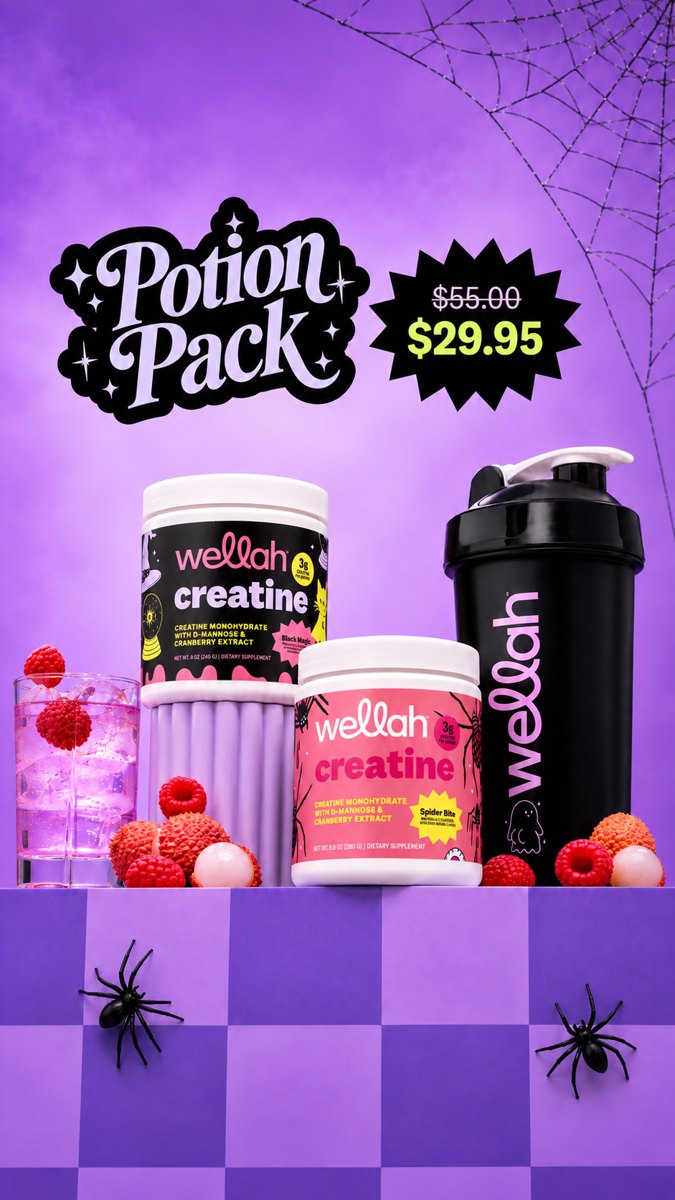


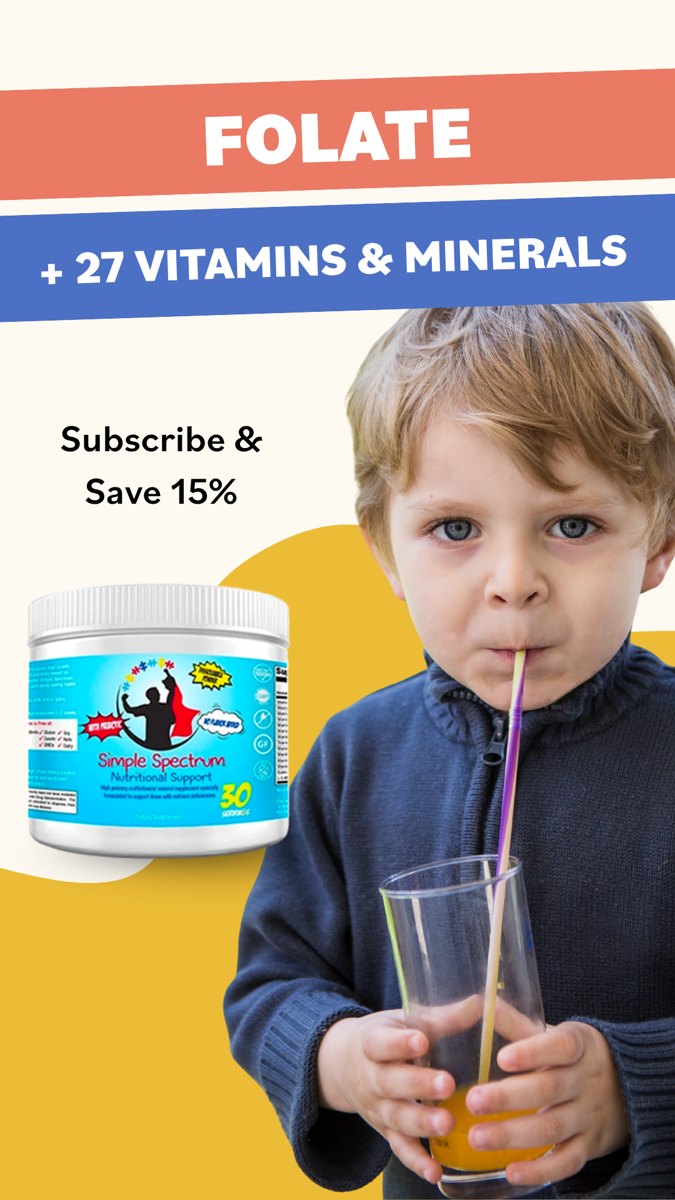


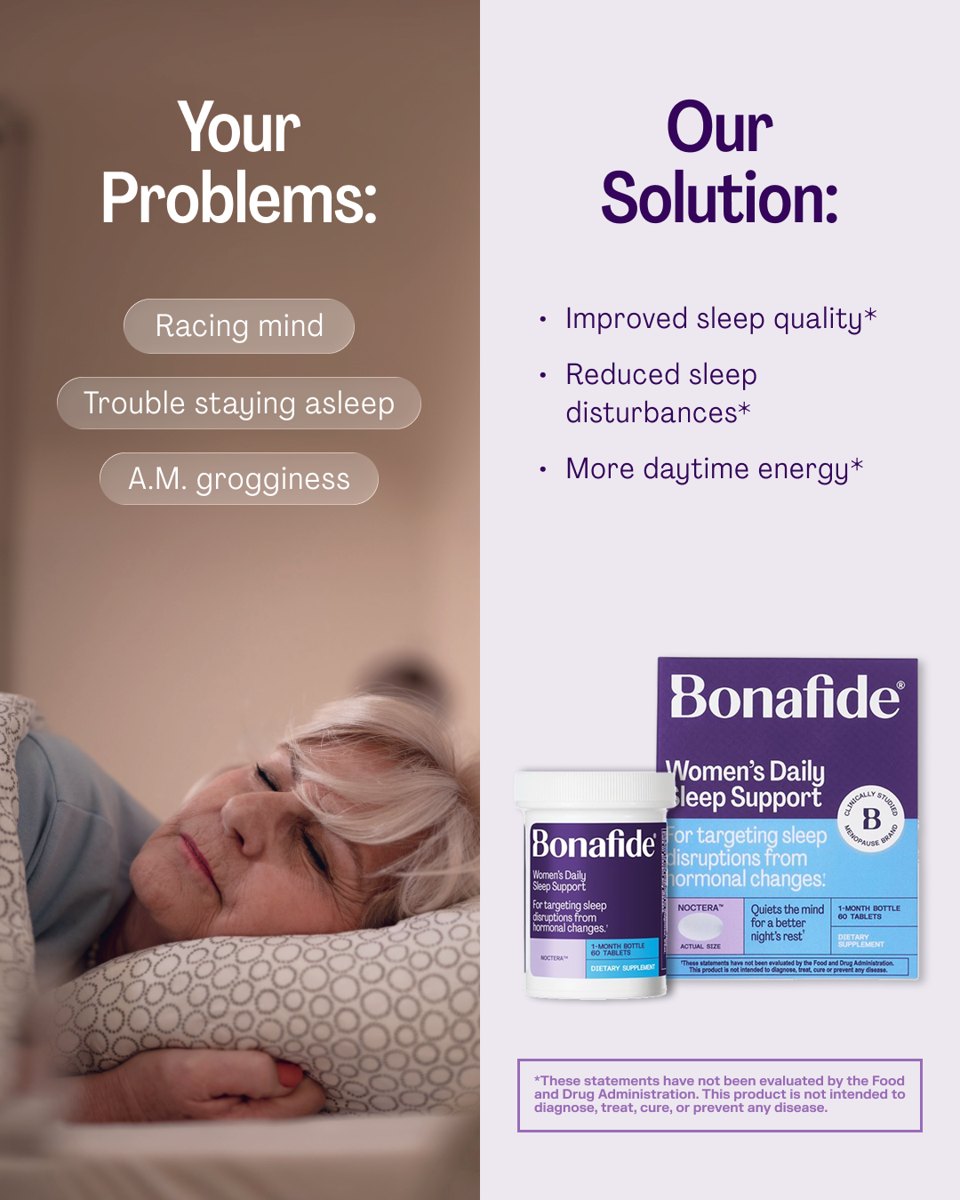

- Paste into Gemini:
These are supplement ads from the Meta Ad Library with their run time and version count. Group them by angle (offer, problem, proof, story, claim). For each group, tell me the median days running from the data and the pattern in the first line. Do not add ads you remember; use only what is here.
- Then the brief:
Take the three top performers by days and versions. For each, give the structure: hook, angle, offer, proof, CTA. Then write the same structure for a magnesium gummy, with three hooks in the customer's words.
- Save the two prompts as a Gem called "Ad research".
What to keep Gemini honest about
- Ask it to quote the days and versions from the paste. Those are the evidence; a pattern without them is an opinion.
- If it proposes a CTR or a spend, remind it Meta does not publish those for ordinary ads.
- If the paste is small (under 20 ads), ask it to say so in its conclusions.
A Monday routine
Search "what started this week in {category}" in Dovey, copy, paste with "what is new versus last week's paste". Two minutes.
FAQ
Can Gemini search the Meta Ad Library?
No. Neither Gemini nor any assistant can browse the library. The ads come from an index of it; Gemini does the synthesis on what you paste.
Does Gemini know which ads performed best?
Only what you paste: days running and version counts, which are the public signals. Meta publishes no performance for ordinary ads.
See every ad that works. Then make yours.
Search 100,000+ Meta ads by what they mean, with the top performers first.
Search the ads